
How to Build a Local Sports Community That Actually Lasts
Most pickup games fizzle out within months. Here's what keeps a local sports community together — and why the host, not the game, is the real infrastructure.
By The SpoVote Team · · 4 min read
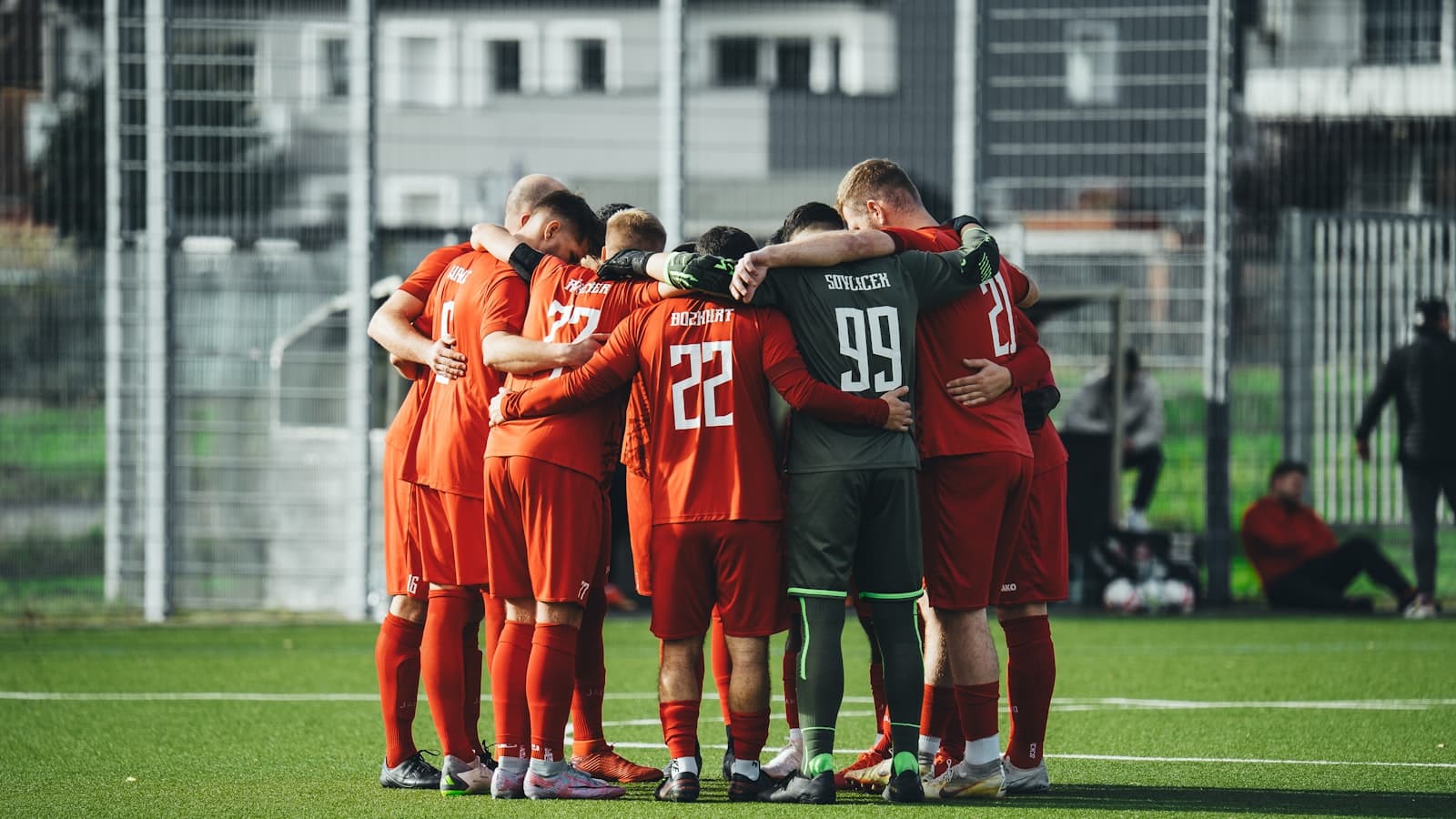
Every city has the same graveyard: a dozen group chats gone quiet, a dozen "we should get this going again" messages nobody answered, a dozen games that were great for six weeks and then just... stopped.
Meanwhile, somewhere in that same city, there's a Tuesday night run that's been going for three years straight. Same court, same rough time, a rotating cast of regulars who all know each other's names. What's the difference? It's almost never the sport. It's almost always the host.
The host is the infrastructure
We tend to think of a regular game as something that just happens — like weather, or luck. It isn't. Every game that survives past its first month is being held up by someone doing invisible work: picking the time, confirming the court, texting the group when it rains, remembering to invite the new guy back. That person isn't a bonus feature of the community. They are the community's infrastructure, in the same way a road is infrastructure for a town — nobody notices it until it's gone.
If you want to build something that lasts, the first job isn't finding players. It's deciding you're willing to be that person, at least until the group is strong enough to share the load.
Lower the cost of showing up
The single biggest killer of a local game isn't bad players — it's friction. If joining requires a group-chat vetting process, a "do I know someone who knows someone" introduction, or three unanswered texts just to find out if tonight's game is happening, most people quietly give up before they ever show up once.
The games that last are the ones where the barrier to entry is almost
nothing: a fixed time, a fixed place, and a clear, low-effort way to say
"I'm in." That's the whole idea behind a session on SpoVote — a real time
and place anyone can see and join, no gatekeeping required. Browse how
local sessions are organized on /play to see the pattern across
sports and cities.
Make newcomers easy to welcome
A community that never lets anyone new in isn't a community — it's a clique with a shelf life. Every regular game was a newcomer's first game once. The ones that keep growing are the ones with a light, repeatable ritual for folding people in: someone greets the new face, explains the unwritten rules, makes sure they touch the ball early. It costs the group almost nothing and it's the difference between a game that shrinks and one that compounds.
We wrote a beginner's guide to pickup basketball etiquette for exactly this reason — the newcomer's half of that equation is easier when they know what to expect walking in.
Consistency beats intensity
A community doesn't need its game to be the most competitive run in town. It needs its game to be predictable. The group that meets every single Tuesday at 6, rain delays aside, will outlast the group that only plays "when enough people are free" — because predictability is what lets people build the game into their week instead of negotiating it fresh every time. Consistency is a low bar to clear and it's the one that actually matters.
If you're starting from scratch, our checklist for starting a weekly pickleball game and guide to organizing a weekly soccer game that actually happens both walk through the same underlying system — it travels to any sport.
Recognize the people who keep showing up
The regulars who show up every week, on time, ready to play, are the reason the game exists at all — and communities that last tend to find small ways to say so. A nickname. A running joke. Being the first one tagged when someone asks "who's in tonight?" It doesn't need to be a trophy. It just needs to make showing up feel seen.
SpoVote is built for the long game
SpoVote exists to make the host's job easier and the newcomer's first game less intimidating — one place to post the session, see who's actually coming, and build a roster of regulars instead of restarting the group chat every season. Not to broadcast the few, but to activate the many, one local game at a time.
Find or start a session near you, and start building the kind of game that's still running three years from now.
Ready to get in the game?
Download SpoVote free and find your next session — discover local games, rally your crew, and climb the ranks.