
Getting Recognized for Showing Up: MVP Culture in Pickup Sports
You don't need to be the best player to matter to the game. Here's why recognition — not just talent — keeps people coming back to pickup sports.
By The SpoVote Team · · 3 min read
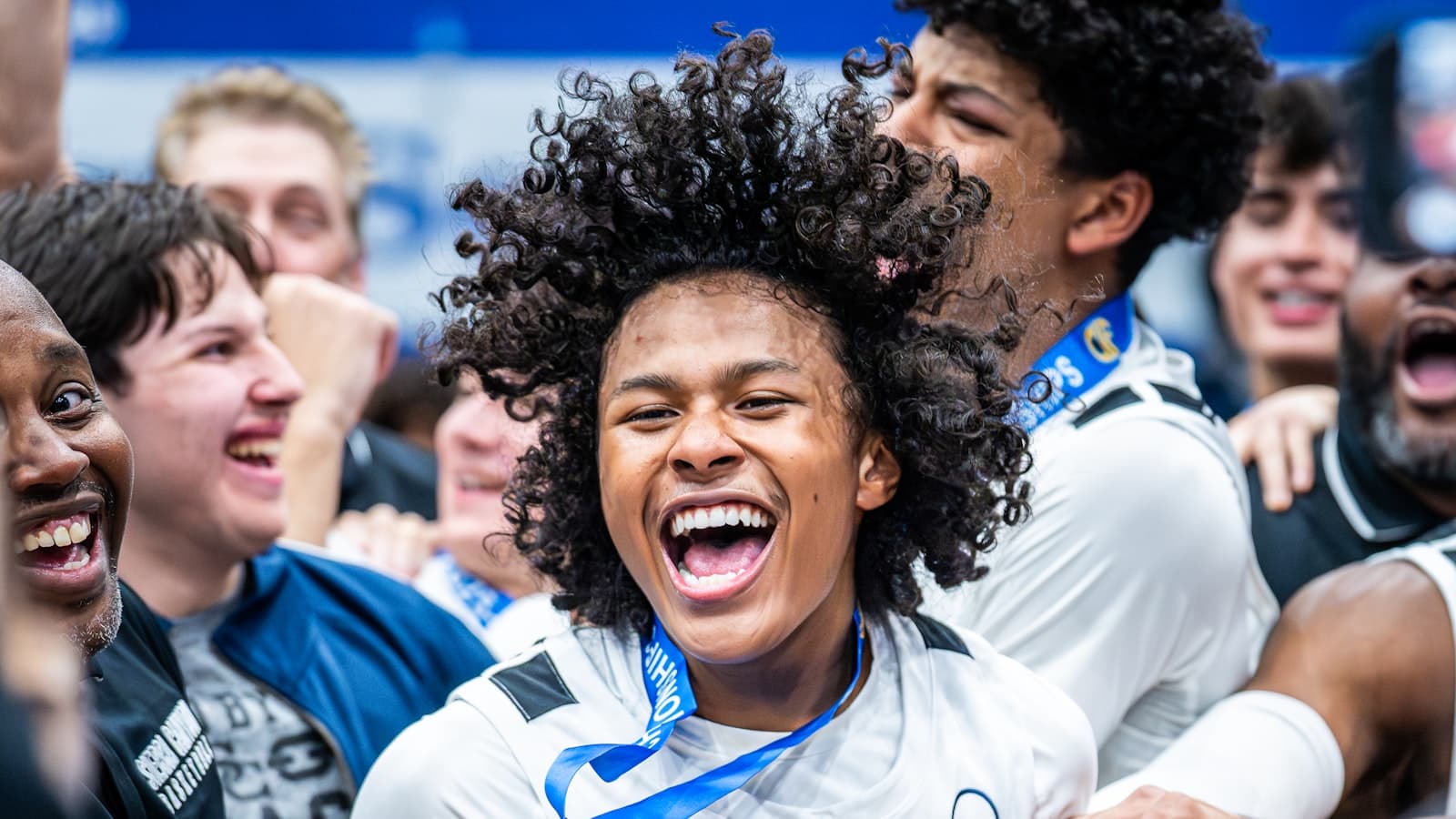
Ask anyone who's played in a regular pickup game what keeps them coming back, and talent rarely tops the list. It's being known. It's the guy at the gym who nods when you walk in because he remembers your name. It's the group that notices when you're on a hot streak — or when you missed last week and asks where you were. Being seen is its own kind of reward, and it turns out to matter just as much as winning.
You don't have to be the best to matter
Every pickup game has an MVP conversation, usually informal, usually half-joking — but it's rarely reserved for the most talented player in the building. It goes to the guy who dove for a loose ball nobody else would chase. The player who showed up early to help set up. The teammate who made the extra pass instead of forcing the shot. MVP culture, at its best, isn't a talent ranking. It's a recognition system for the things that make a game actually good to be part of — effort, generosity, reliability — and those are available to literally everyone on the court, regardless of skill.
Identity compounds when you're recognized
Something changes in a player once they start feeling known somewhere. The first time someone else's memory holds a version of you — "that's the guy who always brings the extra ball," "she's automatic from the corner" — the game stops being a one-off activity and starts becoming part of who you are. That identity is what turns a person who occasionally plays into someone who is a player. It's the difference between attending a game and belonging to one.
That kind of recognition doesn't require trophies or a scoreboard. It just requires people who play together often enough, and pay enough attention, to notice each other. Our guide to pickup basketball etiquette covers the newcomer's side of this — the small habits that get you remembered, and invited back.
Why this matters more in indie sports than anywhere else
Professional sports already has a recognition machine — jerseys, highlight reels, contracts. Indie sports has none of that built in, which is exactly why it matters more when a community builds its own. Nobody's going to put your name on a stat sheet after Tuesday night's run. If recognition happens at all, it's because the people around you chose to give it to you — and that makes it more meaningful, not less.
It's also the thing that keeps people playing long after the "getting in shape" motivation fades. The health case for showing up is real — we've made it before — but health goals are notoriously easy to abandon in January. Being missed when you don't show up is a much stickier reason to keep lacing up.
Build the habit of noticing
You don't need an app, a title, or a formal system to start this in your own game. Learn names. Say something specific when someone plays well — not just "nice shot," but "that back-cut was perfect." Notice who's a regular and greet them like one. Recognition compounds the same way skill does: a little, consistently, over a long time.
SpoVote is built to help you get recognized
This is a big part of why SpoVote exists — not just to help you find a game, but to help you become known in it. A roster of regulars who recognize each other beats a rotating cast of strangers, every time, and that's the community SpoVote is built to grow.
Find a session near you, show up, and start becoming the player your game remembers.
Ready to get in the game?
Download SpoVote free and find your next session — discover local games, rally your crew, and climb the ranks.